Lingmai Genealogy
A family's bloodline, drawn as a chart that keeps growing.
- Business area
- Family Genealogy (Culture)
- Platform
- WeChat Mini Program
- Launched
- September 11, 2026 09:19
Screenshots
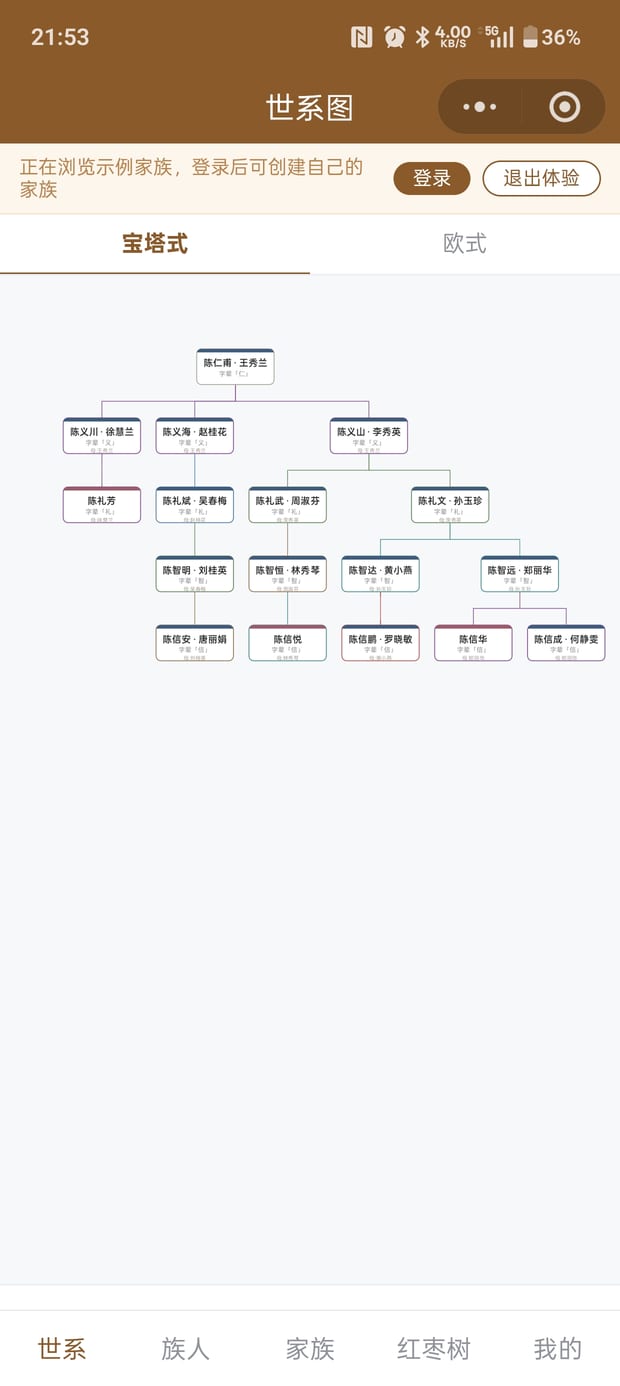
Lineage chart - pagoda and European layouts, each generation labelled with its zibei
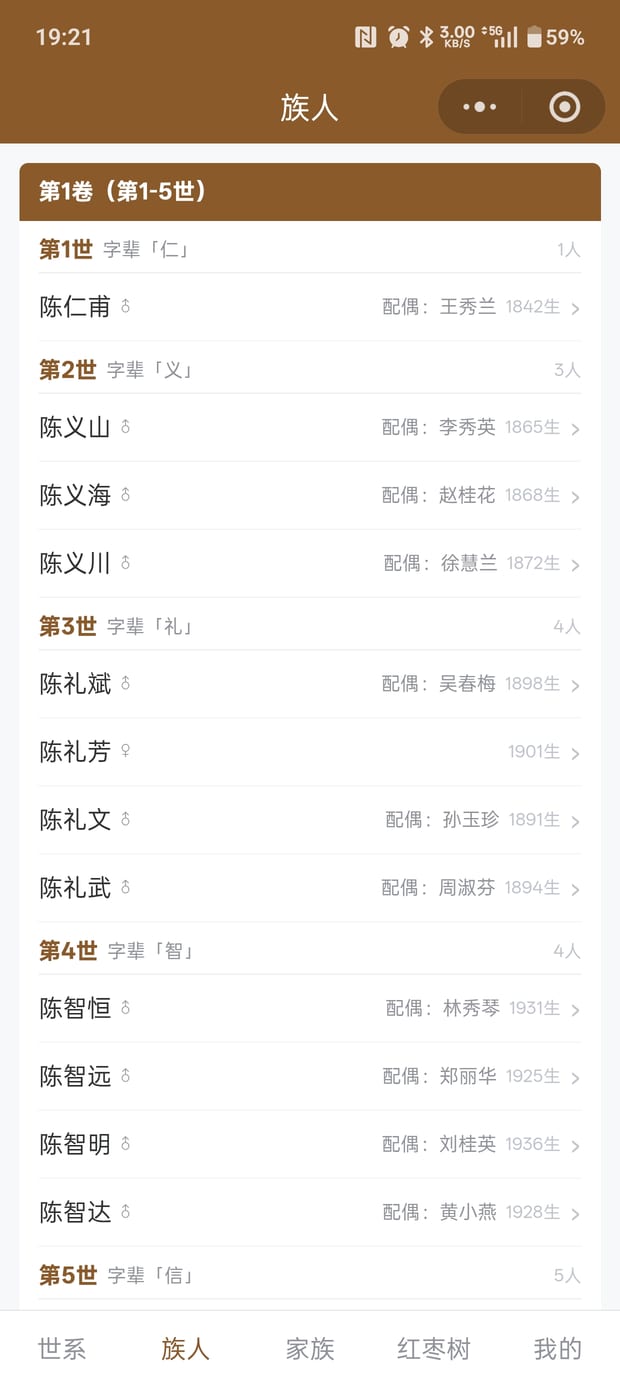
Member register - grouped by volume and generation, with birth years and spouses
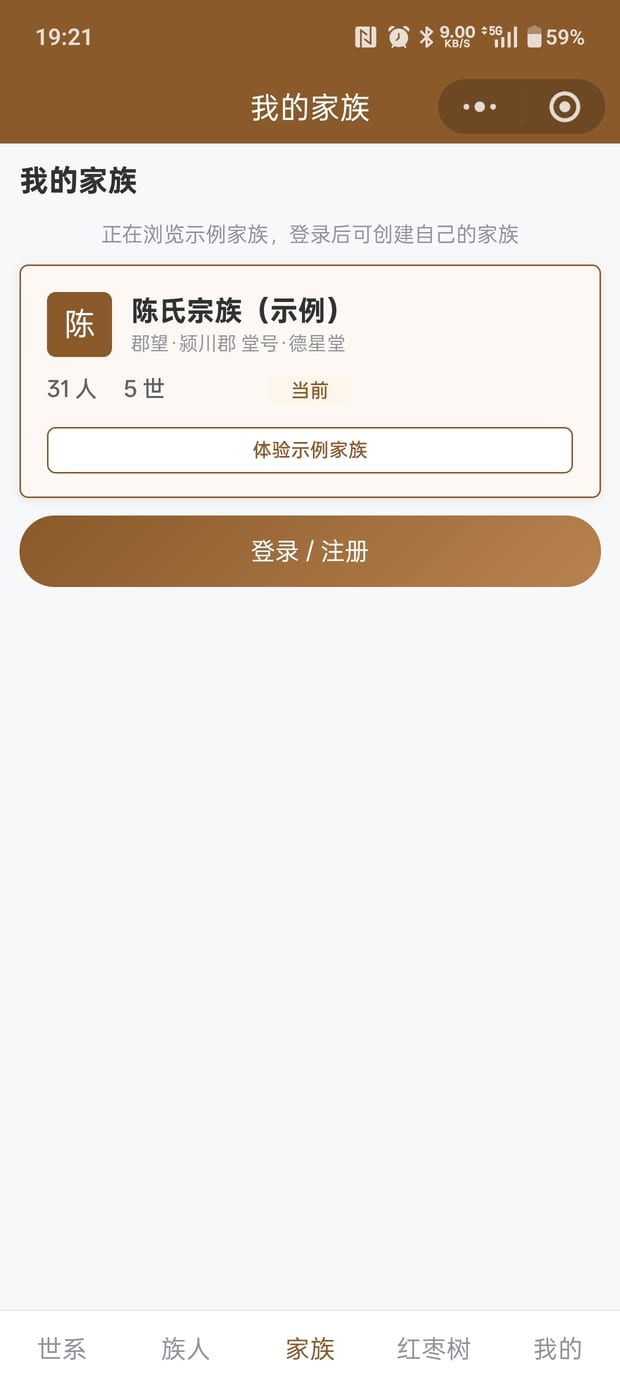
My family - junwang, tanghao and family size
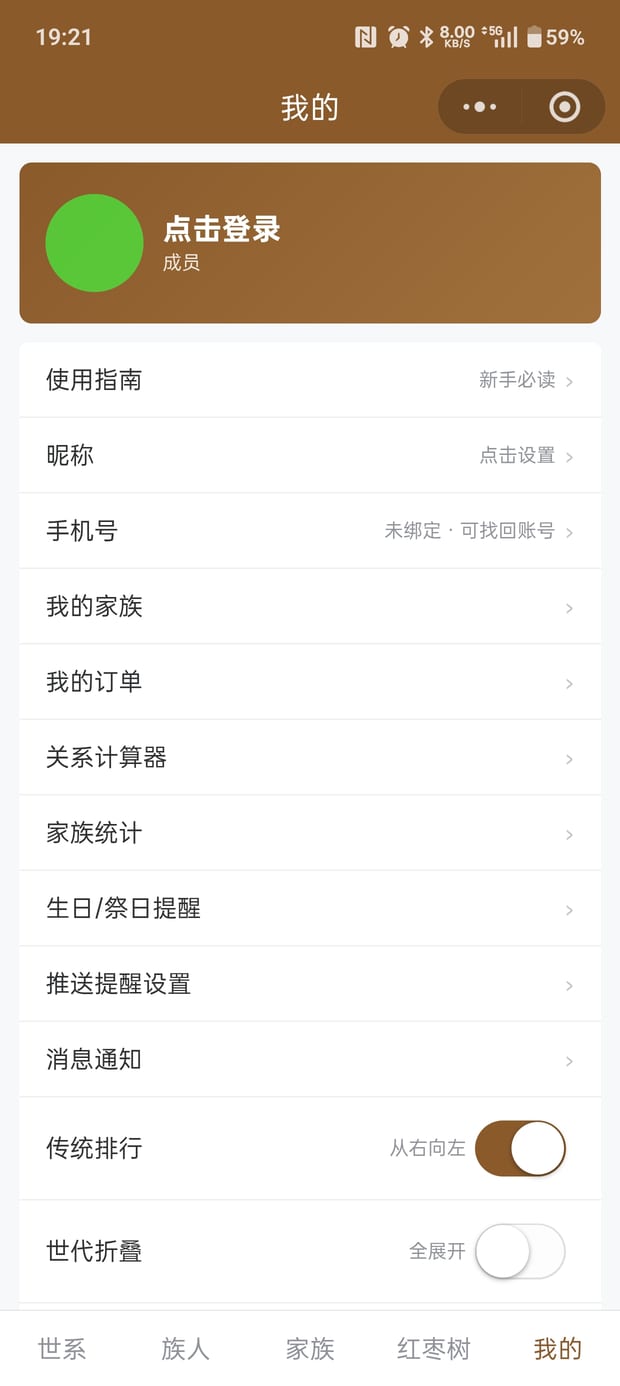
Profile - relationship calculator, statistics and reminder settings
Capabilities
Lineage chart · Pagoda layout
One tier per generation, flowing downward - seniority legible at a glance, even for large families.
Lineage chart · European layout
A horizontally spread arrangement, comfortable on wide screens and on paper.
Generational names (zibei)
Each generation is labelled with its zibei (e.g. Ren · Yi · Li · Zhi · Xin), so seniority never has to be worked out by hand.
Member register
Names grouped by volume and generation, with birth and death years and spouses - one person, one clear entry.
Junwang and tanghao
Record the clan's ancestral seat (junwang, e.g. Yingchuan) and hall name (tanghao, e.g. Dexing) - a genealogy should read like one.
Relationship calculator
Pick any two members and see the exact kinship term - no more guessing what to call whom.
Family statistics
Headcount, generations and distribution on one screen - a factual base when the family record is revised.
Birthday and memorial reminders
Reminders for each member's birthday and memorial day - remembering no longer depends on someone's good memory.
Traditional order and generation folding
The chart can run right-to-left in the traditional order; generations fold away so large families stay tidy.
One line of blood, carried on
A genealogy is China’s oldest database - and the least database-like thing there is. What it stores is not fields, but a family’s memory.
“Lingmai” means the pulse of a bloodline, and also that single point: one generation connected to the next. One touch, one continuous line.
One chart, a whole family
The lineage chart is the first thing you see.
The pagoda layout stacks one generation per tier so seniority reads at a glance; the European layout spreads horizontally for wide screens and printing. Switch between them at any time - the family’s skeleton stays legible.
Every generation carries its zibei - Ren, Yi, Li, Zhi, Xin - so seniority never has to be worked out by hand.
Zibei, junwang, tanghao - taken seriously
Chinese families carry their own vocabulary: zibei sets seniority, junwang records the ancestral seat, tanghao distinguishes branches.
Lingmai Genealogy puts that vocabulary into the data model itself: junwang and tanghao sit on the family page, zibei travels with each generation, and the chart can even run right-to-left in the traditional order. Not decoration - it is what makes a genealogy read like one.
People, not rows
In the member register, every person is more than a line: birth and death years, spouse, generation - grouped by volume.
A relationship calculator answers the question everyone asks - “what do I call them?” Family statistics give headcount, generations and distribution. Birthday and memorial reminders mean remembering no longer depends on anyone’s good memory.
Start by scanning
No sign-up needed to look around: a sample family ships with the app - the Chen clan, 31 people across 5 generations, Yingchuan jun and Dexing tang. Browse its chart and its register to see how it works.
If it fits, sign in and build your own.

Scan with WeChat to try it
WeChat mini program. The interface is Chinese-only. No sign-in needed to browse the sample family; sign in to create your own.